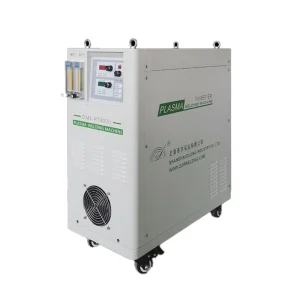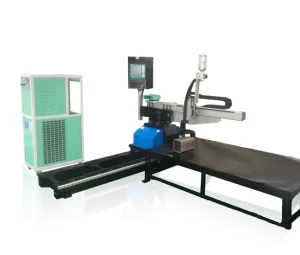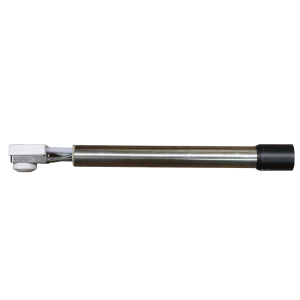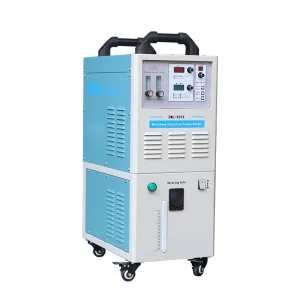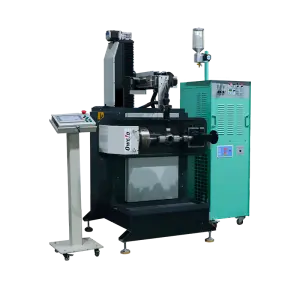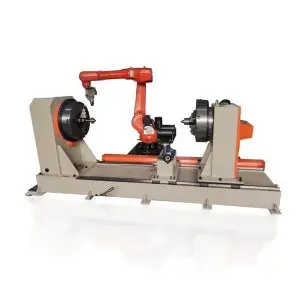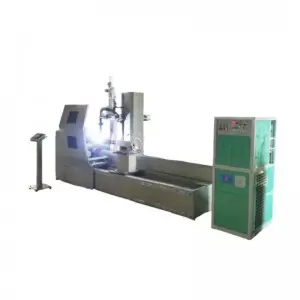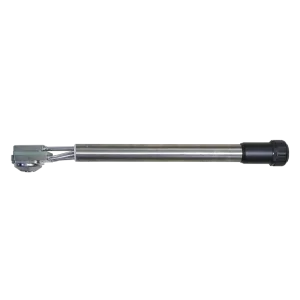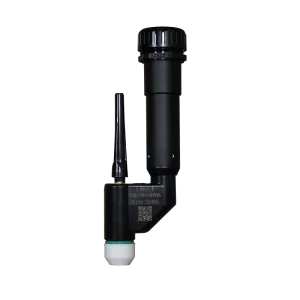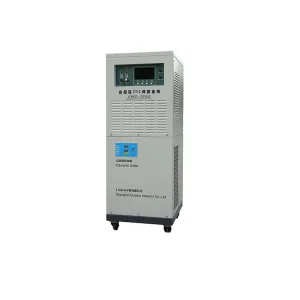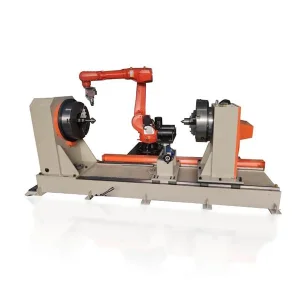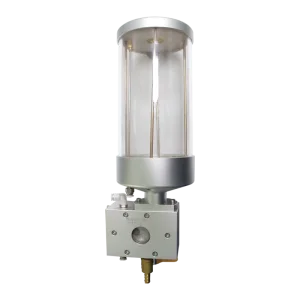
Explore our premium machinery engineered for heavy-duty restoration and hardfacing applications.
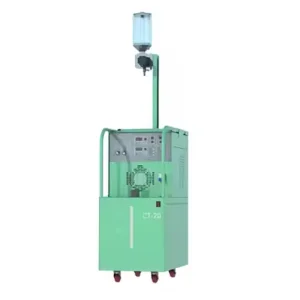
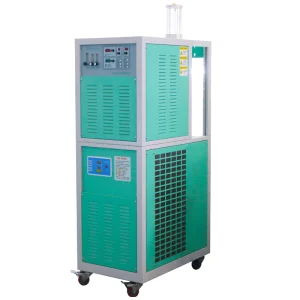
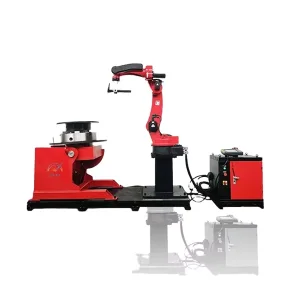
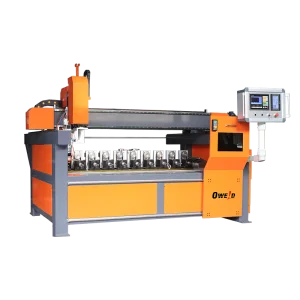
Industrial manufacturing demands surface readiness. Traditional metal oxide removal methodologies—ranging from abrasive sandblasting to hazardous chemical stripping—are progressively failing to meet contemporary ecological guidelines and high-precision tolerances. This is where Laser Limpieza Óxido (Laser Rust Cleaning) establishes a new technical standard.
By leveraging concentrated pulsed fiber lasers, our surface cleaning solutions vaporize rust, scale, paints, and contaminant coatings without introducing mechanical friction or localized thermal stress to the underlying substrate. When raw materials undergo cleaning with a fiber laser beam, the high-energy pulses selectively interact with the oxide layer, which exhibits a low damage threshold. The underlying structural steel, titanium, or aluminum remains completely untouched due to its higher reflective indices and heat dissipation capability, assuring complete structural integrity.
As qualified suppliers and developers of integrated laser and plasma cladding technologies, we engineer bespoke cleaning equipment tailored for direct deployment within challenging environments like automated lines, metallurgical foundries, and marine construction sites.
Analyzing key procurement drivers, operational advantages, and international standards.
The push for zero-carbon emissions has forced heavy industries to abandon wet chemical cleaning. Laser rust cleaning generates minimal particulate waste, captureable by HEPA filtration, avoiding dangerous runoff or disposal challenges.
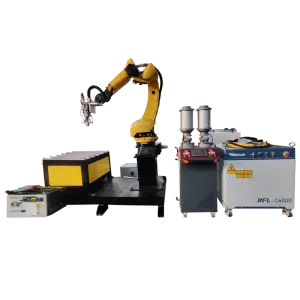
Global industrial factories require tailor-made solutions. We design custom gantry systems, 6-axis robotic integrations, and portable handheld platforms compatible with modern PLC interfaces for continuous manufacturing lines.
Investing in custom laser rust cleaners significantly lowers ongoing production costs. By eliminating blasting media storage, dust disposal overheads, and manual labor, our systems usually reach amortization in under 18 months.
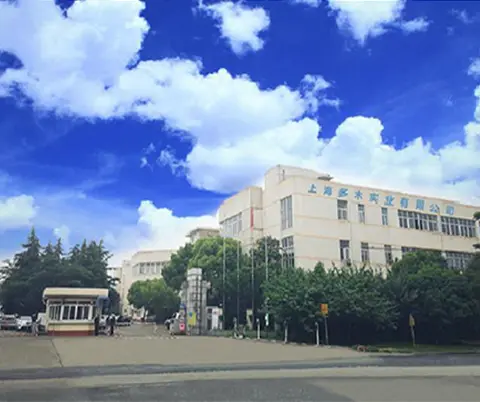
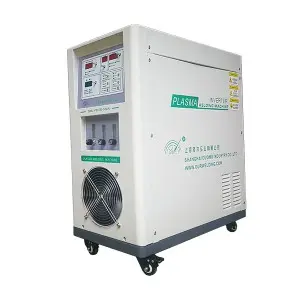
Shanghai Duomu has been a leading manufacturer and exporter of PTA cladding machine and Laser cladding machine for more than ten years with a strong technical background.
We pride ourselves on engineering structural durability and advanced cladding precision. From small tool repairs to massive aerospace rebuild projects, our equipment bridges the gap between material cost and wear lifespan. We manage design, software optimization, mechanical construction, and final testing in-house, ensuring our machinery meets global standards.
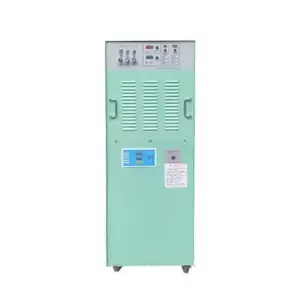
I have an independent R&D team, which develops, produces and sells plasma cladding machine equipment. The welding machine has stable performance and can maintain efficient long-term operation. In addition, the laser cladding equipment sold by the company can effectively support large-scale remanufacturing projects. We have mature technological means to provide complete sets of industrial equipment solutions.
Our core engineering team focuses on optimizing parameter sets for powder-based laser deposition, high-accuracy multi-axis robot motion control, and high-frequency plasma arc stability. This technology stack enables us to offer bespoke turn-key solutions that fit directly into existing factory floors, complete with specialized training programs and comprehensive maintenance plans.
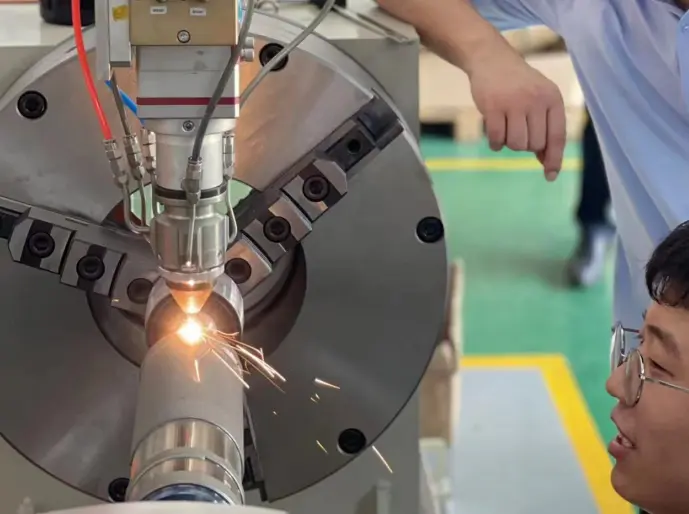
At present, the company's products have penetrated into many fields such as aerospace military industry, nuclear power, petrochemical industry, coal mines, metallurgy and forging, agriculture, water conservancy and electric power, etc.



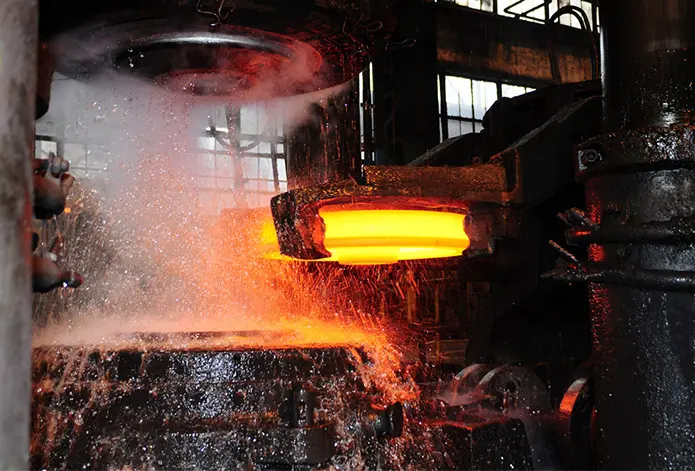
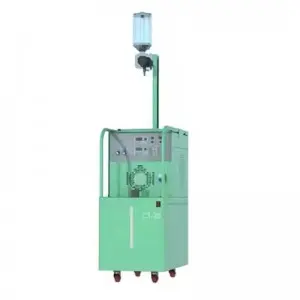
We can provide customized equipment, automatic laser cladding equipment, automatic plasma cladding equipment, intelligent robot cladding equipment, etc. according to customers' requirements, including special equipment in the industry, such as hydraulic rod cladding machine, pick cladding machine, valve cladding machine, etc.
Insights into the path of high-power laser rust removal and additive manufacturing systems.
The upcoming decade of surface modification and cleaning relies heavily on industrial automation. Our engineering division is working closely with top institutes to combine multi-kilowatt pulsed fiber lasers with real-time AI optical inspections. The upcoming systems will automatically sense the density of oxide layers and adjust output power dynamically to preserve surface integrity.
For cladding technologies, the combination of wire-fed and powder-fed systems is creating hybrid additive solutions. This shift will allow our international clients to clean heavy oxide layers using the same robot arm that subsequently performs the cladding deposition, creating integrated cleaning-to-cladding pipelines.
Additionally, the evolution of ultra-fast pulsed lasers (picosecond and femtosecond ranges) is opening doors for micro-cleaning in sensitive electronic and aerospace structures. While current nanosecond pulsed lasers remain the standard for high-productivity rust cleaning, our development roadmap actively prepares for micro-ablation technologies with zero heat-affected zones (HAZ).
Ensuring operational safety, system certifications, and secure shipping logistics worldwide.
All machinery adheres to international standards, including CE guidelines, FDA laser safety protocols (Class IV), and ISO 9001 quality systems. We provide comprehensive safety enclosures and protective optical filtering materials.
Our global engineering service provides remote support, online diagnostics, and on-site setup. We ensure your technicians are thoroughly trained in optimizing laser settings and safety procedures.
With warehouses positioned in key logistics centers, we guarantee rapid delivery of consumables, focusing optics, powder nozzles, and plasma accessories to keep your production running smoothly.
Read about industry-specific solutions, process optimizations, and real-world results from our technical department.
In Plasma Transferred Arc (PTA) hardfacing, achieving a high-quality overlay is not only about selecting the right alloy powder or optimizing welding parameters. One of the most critical factors that directly affects overlay performance is the dilution rate. Whether you ...
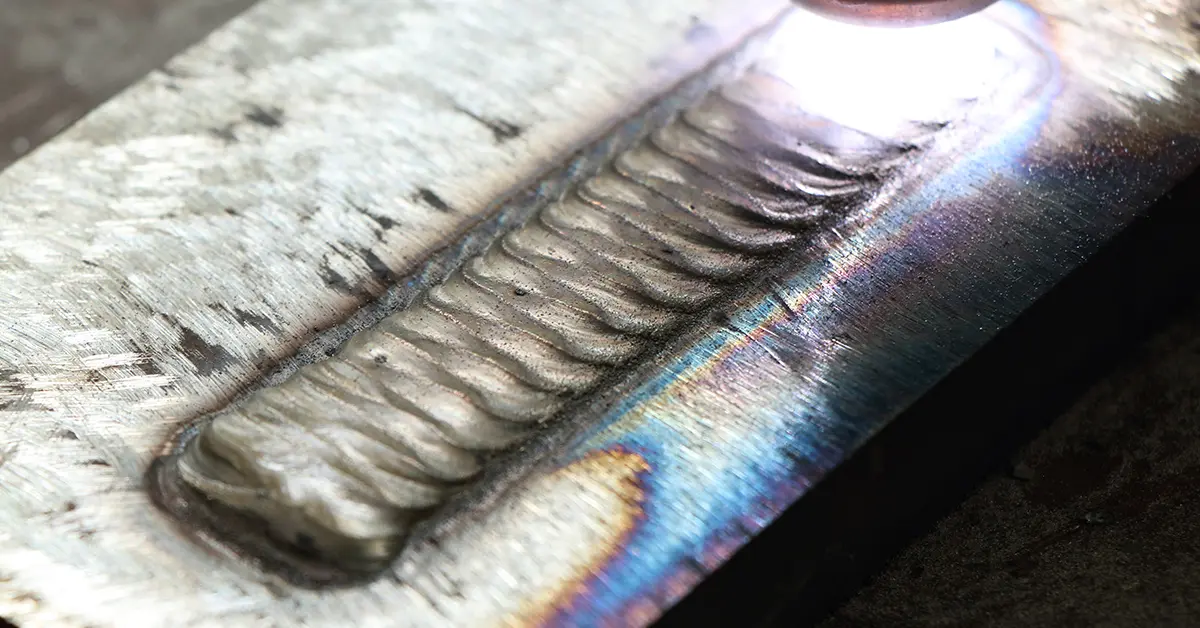
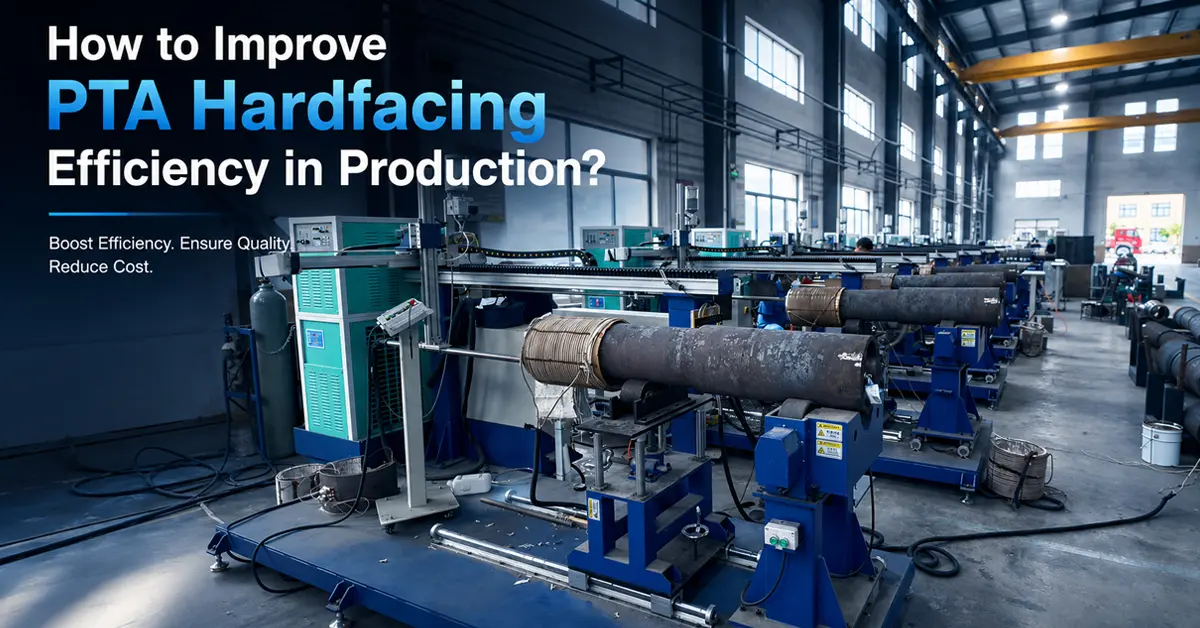
Introduction Improving PTA hardfacing efficiency is not simply about increasing welding speed or depositing more alloy within a shorter time. In industrial production, the real efficiency of a Plasma Transferred Arc (PTA) hardfacing process dep...
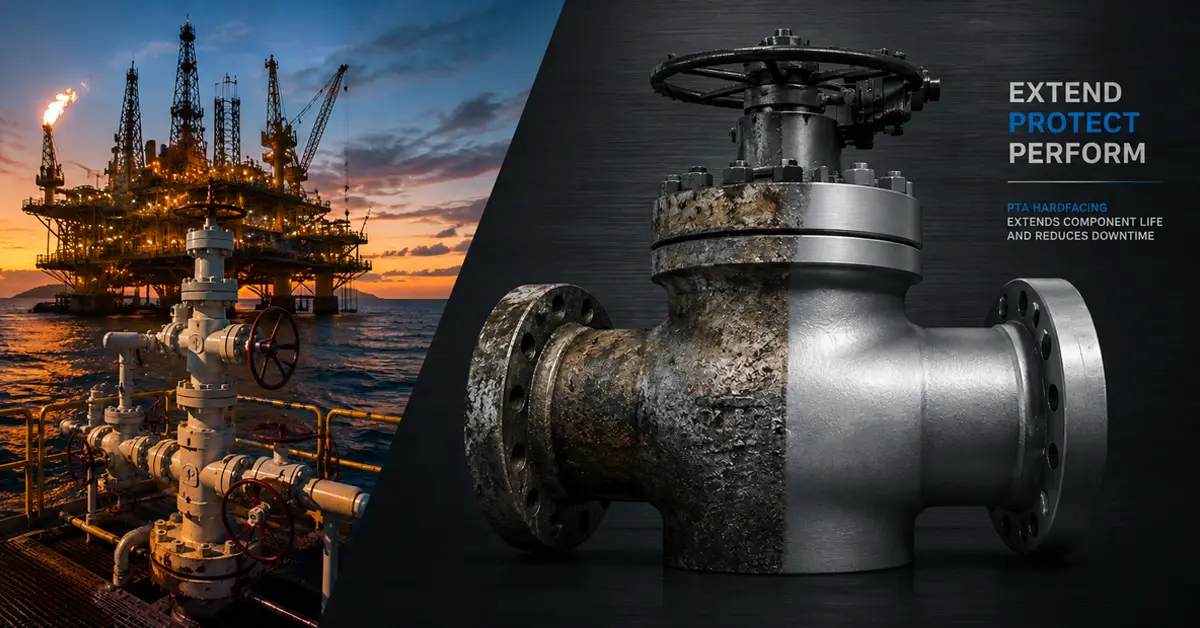
In Oil & Gas, the Real Cost Is Downtime—Not the Component When a choke valve fails due to sand erosion, a mud pump valve seat wears beyond tolerance, or a drill stabilizer reaches the end of its service life, the traditional respon...
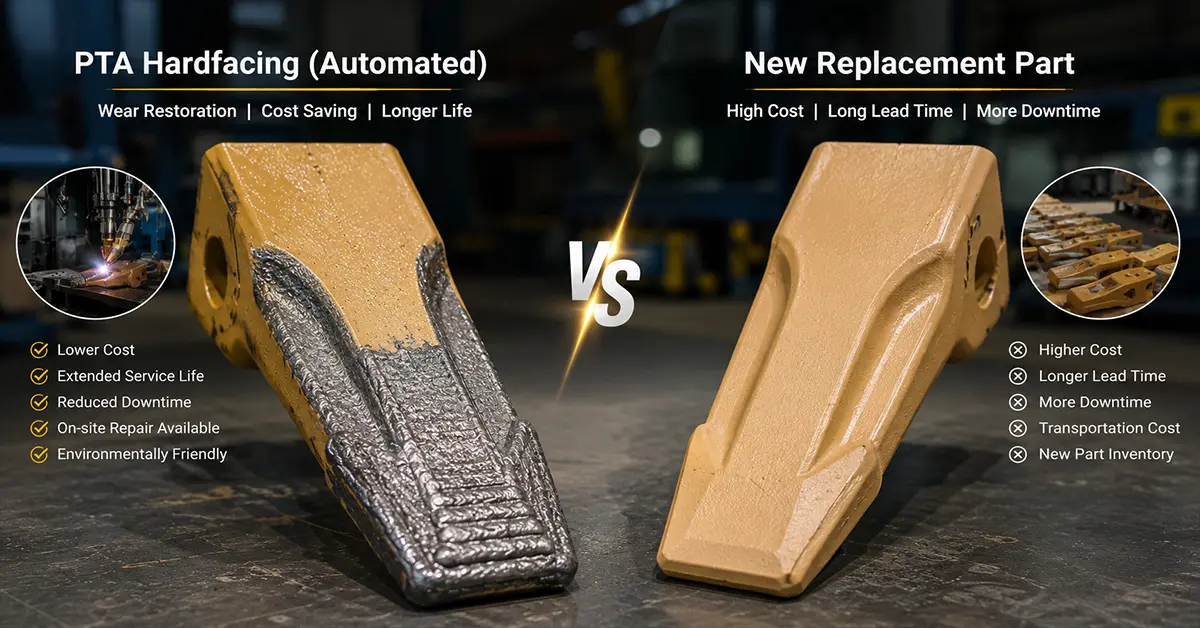
For industrial equipment operating in abrasive, erosive, corrosive, or high-temperature environments, wear is inevitable. The real challenge is not preventing wear altogether but choosing the most cost-effective maintenance strategy once wear occurs. Many maintenance tea...
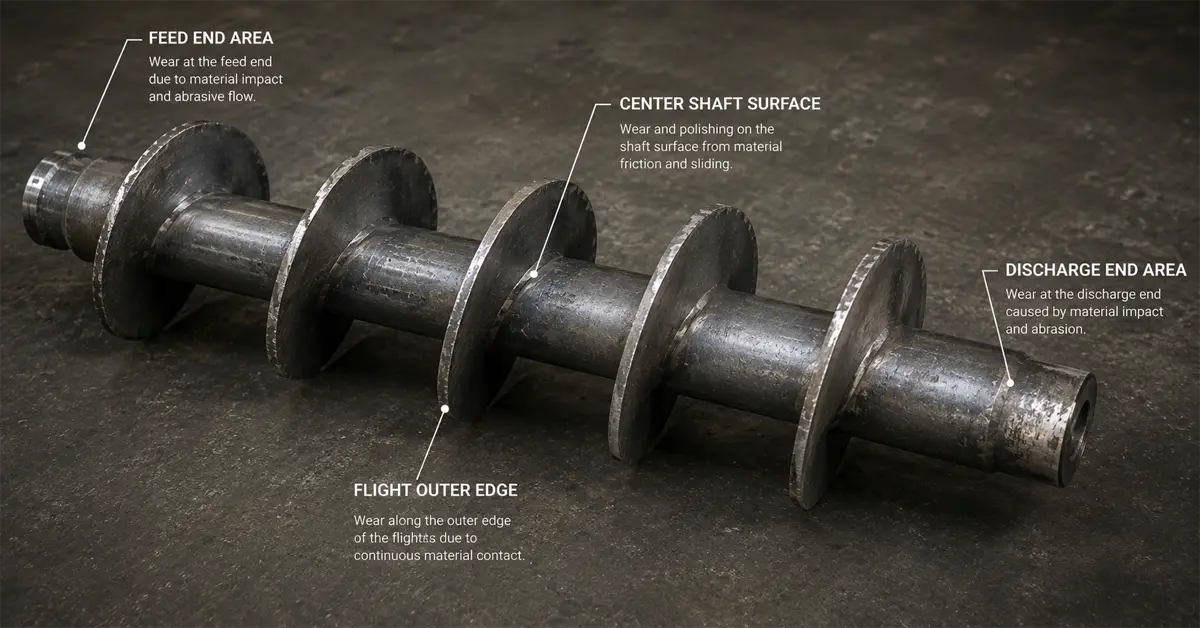
In industries such as mining, cement, power generation, steelmaking, chemical processing, and biomass energy, screw conveyors are often regarded as auxiliary equipment. However, maintenance data shows that they are among the most frequent causes of unplanned production d...
Connecting supply chains and engineering departments with dependable wear prevention solutions.






Get professional technical answers regarding parameter settings, safety, and process selection.
Laser cleaning works through the principle of selective ablation. Each material has a specific energy absorption threshold. Iron oxide absorbs the 1064nm near-infrared laser light efficiently, causing it to quickly expand and vaporize. The underlying metal, possessing a higher reflectivity and thermal conductivity, remains unaffected because the energy density of the beam stays below its melting threshold.
Yes. Our custom laser systems feature adjustable pulse frequencies (20 kHz to 200 kHz) and scan patterns (lines, circles, grids). Thick, stubborn rust is typically cleaned with high-energy pulses at lower frequencies, while delicate finishing tasks utilize higher frequencies and wider scanning beams to prevent local heat buildup.
Plasma Transferred Arc (PTA) cladding uses a focused plasma arc to melt powder feedstocks onto the base metal, resulting in deep penetration and a strong metallurgical bond, ideal for thick wear layers. Laser cladding utilizes a laser beam as the heat source, offering lower dilution rates, a smaller heat-affected zone (HAZ), and high dimensional accuracy, which is perfect for precision restorations.
We work closely with major logistics providers to offer securely crated ocean and air shipping. For complex custom setups (like our robotic or cantilever cladding systems), our team handles pre-shipment testing. Customers receive high-definition video documentation and digital parameters, followed by localized installation support or remote video coordination.
Explore our industrial-grade components and dedicated cladding systems.
Submit your material specifications, target wear rates, or processing volumes. Our technical department will provide a custom configuration and pricing within 24 hours.
Get a Custom ProposalFor inquiries about our products or pricelist, please leave your message and we will be in touch within 24 hours.

Scan to connect on social media