Explore our industrial-grade, precision-calibrated plasma welding platforms designed for heavy wear parts restoration and automated fabrication in the Mid-Atlantic industrial sectors.
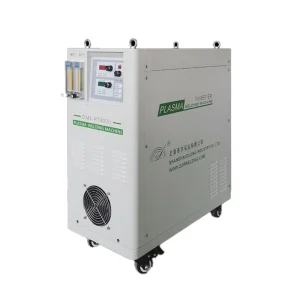
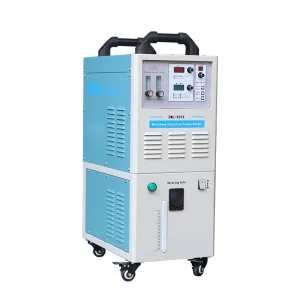
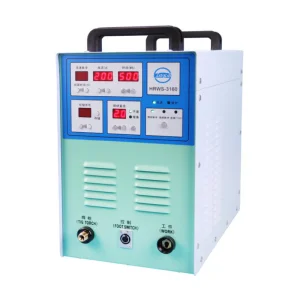
Tailored specifically for high-capacity surfacing, heavy duty cycles, and automated metallurgical bonds.
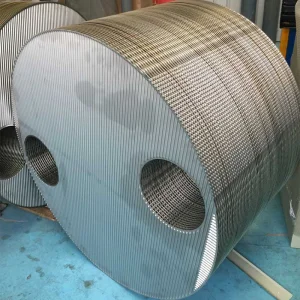
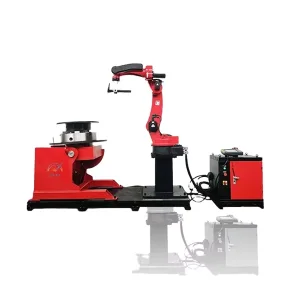
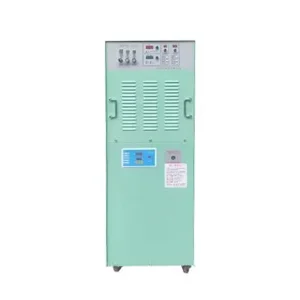
Micro-precision control system targeting complex heat exchanger plates and multi-layered diaphragm assemblies.
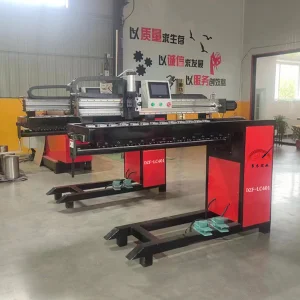
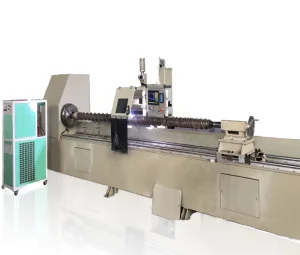
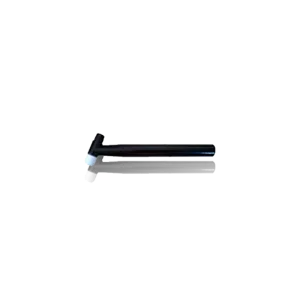
Optimized for linear longitudinal seams, offering flawless penetration with zero distortion on long pipes.
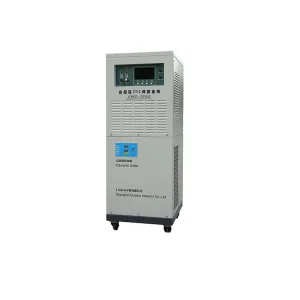
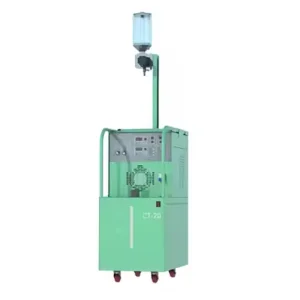
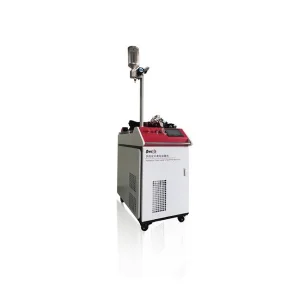
Advanced S-TIG system boasting stable low-amp control for high-alloy metals and thin cladding layers.
Philadelphia and the greater Delaware Valley represent one of the United States' historic and modernized manufacturing powerhouses. From the active dry docks and marine engineering workshops at the Philadelphia Navy Yard to the petrochemical refineries lining the Delaware River, industrial components are constantly subjected to extreme abrasive wear, corrosive environments, and intense thermal fatigue.
Traditional welding methods often fall short when dealing with wear-resistant surface overlays. Excessive dilution rates, high heat-affected zones (HAZ), and micro-cracking compromise expensive machinery. This is where Plasma Transferred Arc (PTA) cladding and precision laser hardening technologies become critical. PTA provides an exceptionally concentrated heat source, achieving low dilution rates (typically under 5%), minimal thermal distortion, and a high-density, metallurgically bonded carbide structure.
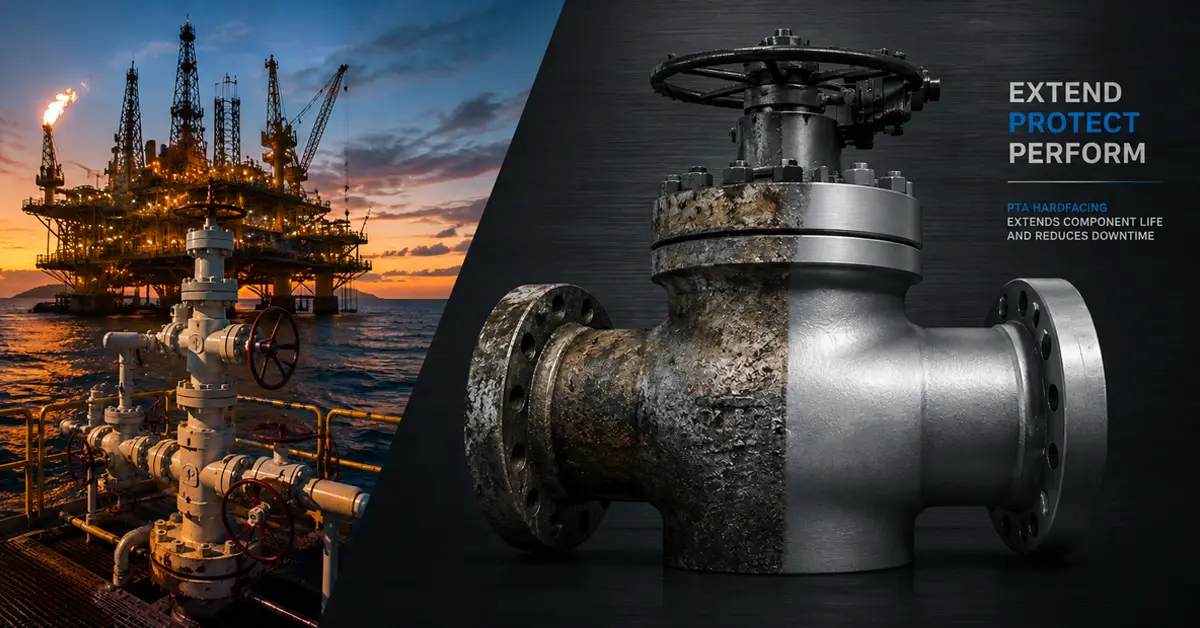
Whether reclaiming drill stabilizers for petrochemical exploration or applying stellite overlays on large-scale industrial gate valves in Philadelphia's municipal infrastructure, our high-power PTA powder surfacing systems provide the exact wear mitigation solutions local operators require to prevent costly unplanned downtime.
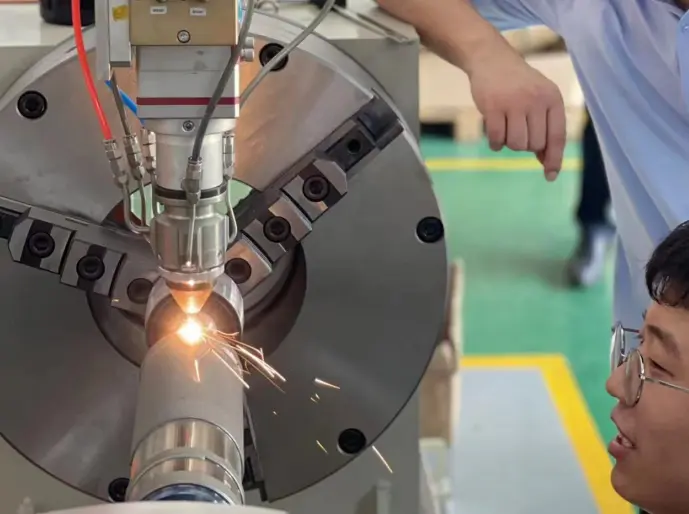

Shanghai Duomu has been a leading manufacturer and exporter of PTA cladding machines and Laser cladding machines for more than ten years with a strong technical background. Our dedication to metallurgical bonding research has positioned us as a reliable partner for global enterprises seeking high-efficiency surface modification equipment.
We boast an independent, top-tier research and development team that designs, fabricates, and tests our specialized plasma cladding and cladding powder systems. The resulting welding platforms maintain extremely stable output parameters and can handle continuous, high-duty-cycle industrial operations. Beyond PTA, our premium laser cladding platforms easily support large-scale remanufacturing initiatives, and we maintain complete turnkey solutions spanning robotic integration, workpiece positioners, and powder feeders.
By blending advanced metallurgical engineering with robust mechanical design, we provide complete sets of industrial equipment solutions that help operators in heavy sectors save millions of dollars in wear component replacement.
Why modern engineering workshops choose Plasma Transferred Arc overlay and laser metallurgy over legacy MMA, MIG, or sub-arc methods.
Our plasma arcs are compressed through precision copper nozzles, producing an energy density that minimizes heat-affected zones. This protects the core mechanical properties of the parent alloy, avoiding brittle crystalline formations.
By blending spherical tungsten carbide particles with nickel, cobalt, or iron-based powders, PTA generates alloy overlays with exceptional resistance to friction, high temperatures, and erosive media.
Complete integration with ABB, KUKA, or Fanuc articulated arm systems ensures 3D surface tracking, maintaining precise torch distance and uniform bead thickness across complex components.
Our industrial plasma cladding and laser hardening configurations are field-proven across crucial global sectors.



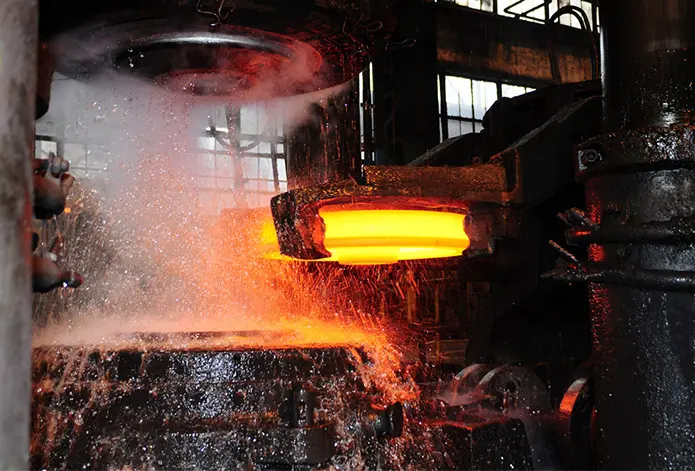
Procuring heavy industrial equipment requires balancing cost-efficiency with high performance and reliable support. Our manufacturing model offers clients the best of both worlds: China's advanced supply chain efficiency paired with robust technical support tailored to the US market.
Unmatched Supply Chain Optimization: By sourcing raw electrical, pneumatic, and structural components directly within China's premier industrial zones, we reduce lead times and pass significant savings on to our clients. Our precision assemblies use top-tier global brands—such as Siemens PLCs, SMC pneumatics, and Schneider electrics—ensuring easy part replacement and global compatibility.
Compliance & Quality Integration: Every system we export is engineered to meet strict international standards, including CSA, CE, and US electrical standards (UL/NEMA compatibility). Our PTA systems are built to comply with ASME Section IX welding certifications, guaranteeing high quality, reliability, and code compliance on your shop floor.
Philadelphia and USA Technical Operations: We provide comprehensive localized support, including commissioning assistance, custom torch configurations, wear powder optimization, and responsive remote diagnostics. We work closely with regional distributors to ensure you receive the technical support and consumable replacement kits your operations demand.
A technical guide for project managers and manufacturing engineers evaluating surface treatment solutions.
Custom setups for complex geometries, industrial valves, mining tools, and internal bore wear surfaces.
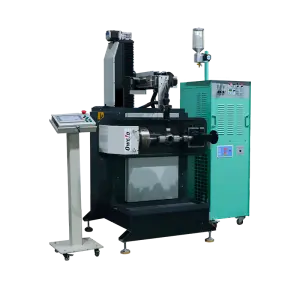
Specialized indexing rotary system designed for uniform stellite overlays on spherical ball valves.
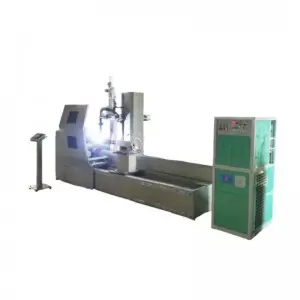
Long-shaft lathe configurations for uniform wear coatings on mining and construction cylinder rods.
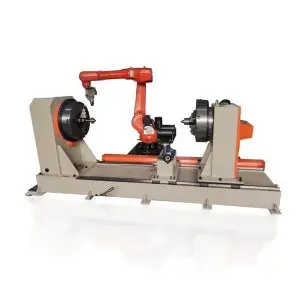
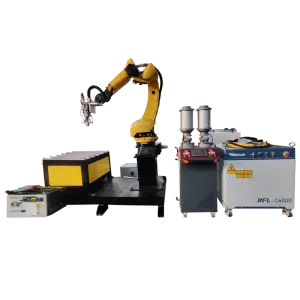
Highly flexible multi-axis robot arm setup engineered for localized hardening of dies and complex surfaces.
Select from our core inventory of standard and customized hardware, complete with OEM specifications.
In-depth insights into dilution rates, welding efficiency, downtime recovery, and material wear mechanisms.
"In Plasma Transferred Arc (PTA) hardfacing, achieving a high-quality overlay is not only about selecting the right alloy powder or optimizing welding parameters. One of the most critical factors that directly affects overlay performance is the dilution rate. Controlling this dilution rate ensures maximum carbide hardness within the first bead deposit."
 Engineering Director
"Improving PTA hardfacing efficiency is not simply about increasing welding speed or depositing more alloy within a shorter time. In industrial production, the real efficiency of a Plasma Transferred Arc (PTA) hardfacing process depends on the control of the heat input, powder feed consistency, and torch geometry."
 Maintenance Lead
"In Oil & Gas, the Real Cost Is Downtime—Not the Component. When a choke valve fails due to sand erosion, a mud pump valve seat wears beyond tolerance, or a drill stabilizer reaches the end of its service life, the traditional response is scrapped parts. Reclaiming components with robotized PTA saved our refinery over $150k per quarter."
 Plant Operations VP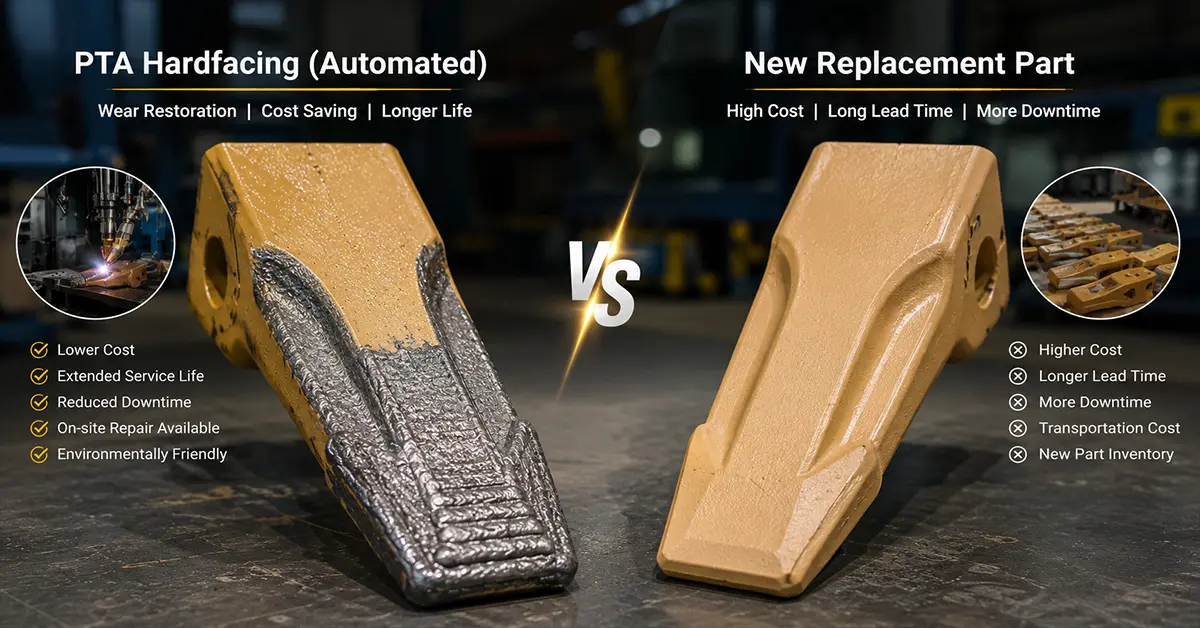
Evaluating overlay reclamation lifecycle budgets versus complete OEM replacement cycles in cement and mining operations.
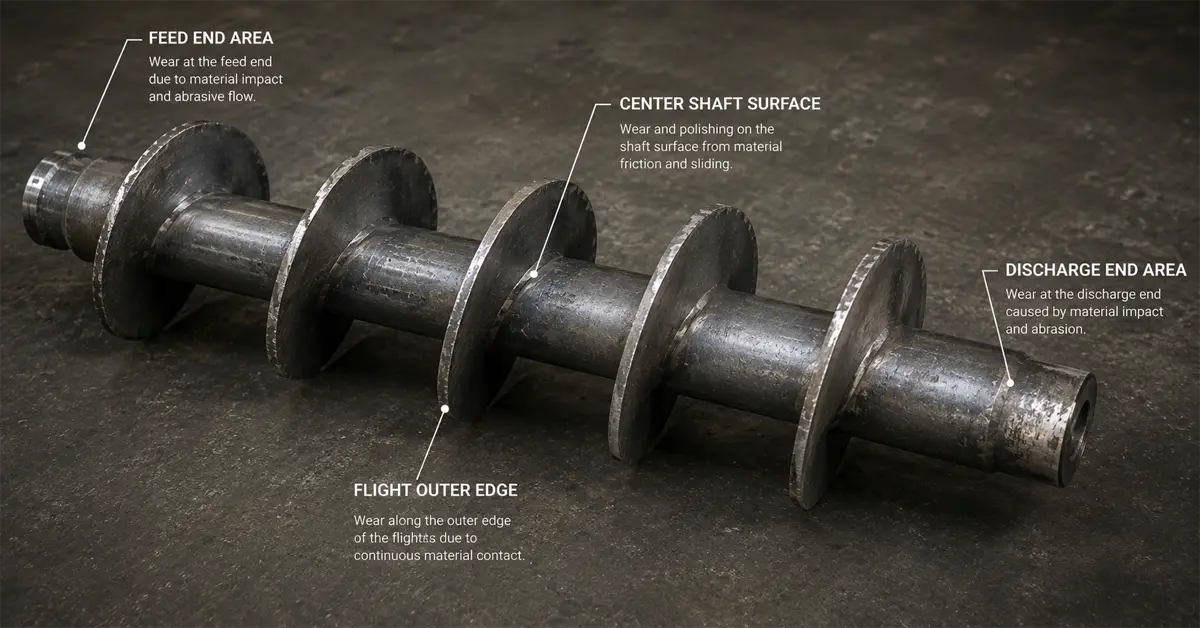
Implementing continuous spiral flight hardfacing with customized chromium carbide PTA welding powder.











Providing authoritative technical insights to help engineers optimize and implement advanced surface treatment methods.
PTA (Plasma Transferred Arc) cladding uses a collimated plasma arc to melt both the target base metal surface and the wear-resistant powder. The high energy density allows for extremely precise heat input control, resulting in an exceptionally low dilution rate (typically 3% to 8%), compared to MIG/TIG hardfacing (which can run from 15% to 30%). This means you obtain the full wear-resistant properties of the hardfacing alloy within the first layer, minimizing the need for multiple passes and saving on expensive cobalt/nickel alloys.
Every welding console and robotic cladding system exported is designed using internationally recognized electrical components (such as Siemens PLC systems and Schneider electronics) to ensure spare parts are readily available worldwide. In Philadelphia and across the United States, we cooperate with experienced local integrators to coordinate installation, commissioning, software training, and compliance checks (such as ASME/NEMA requirements) for your welding shop.
Our PTA powder feeders support a wide range of wear-resistant and corrosion-resistant alloys, including Stellite (cobalt-based), Colmonoy (nickel-based), and various iron-based steel formulations. Additionally, our systems are optimized to handle composite blends such as spherical tungsten carbide (FTC/CTC) mixed with nickel-based matrices, providing superior resistance to abrasion and impact.
Yes, absolutely. Our high-performance PTA torches and powder feeding systems are designed for seamless integration with major industrial robotic controllers (including Fanuc, KUKA, ABB, and Yaskawa). We provide the necessary I/O communication cards, powder feeding nozzles, and mounting kits to transform standard robotic welding arms into fully automated cladding and hardfacing workstations.